Equipment type
Write down the actual load before looking at bag volume: rackets, shoes, towels, mats, blocks, water, and daily items.
The useful layout is the one that fits that equipment mix without forcing awkward packing.
Sports Carry
List the equipment first, then decide what must stay separate, what needs quick access, and how the weight will be carried before and after the session.
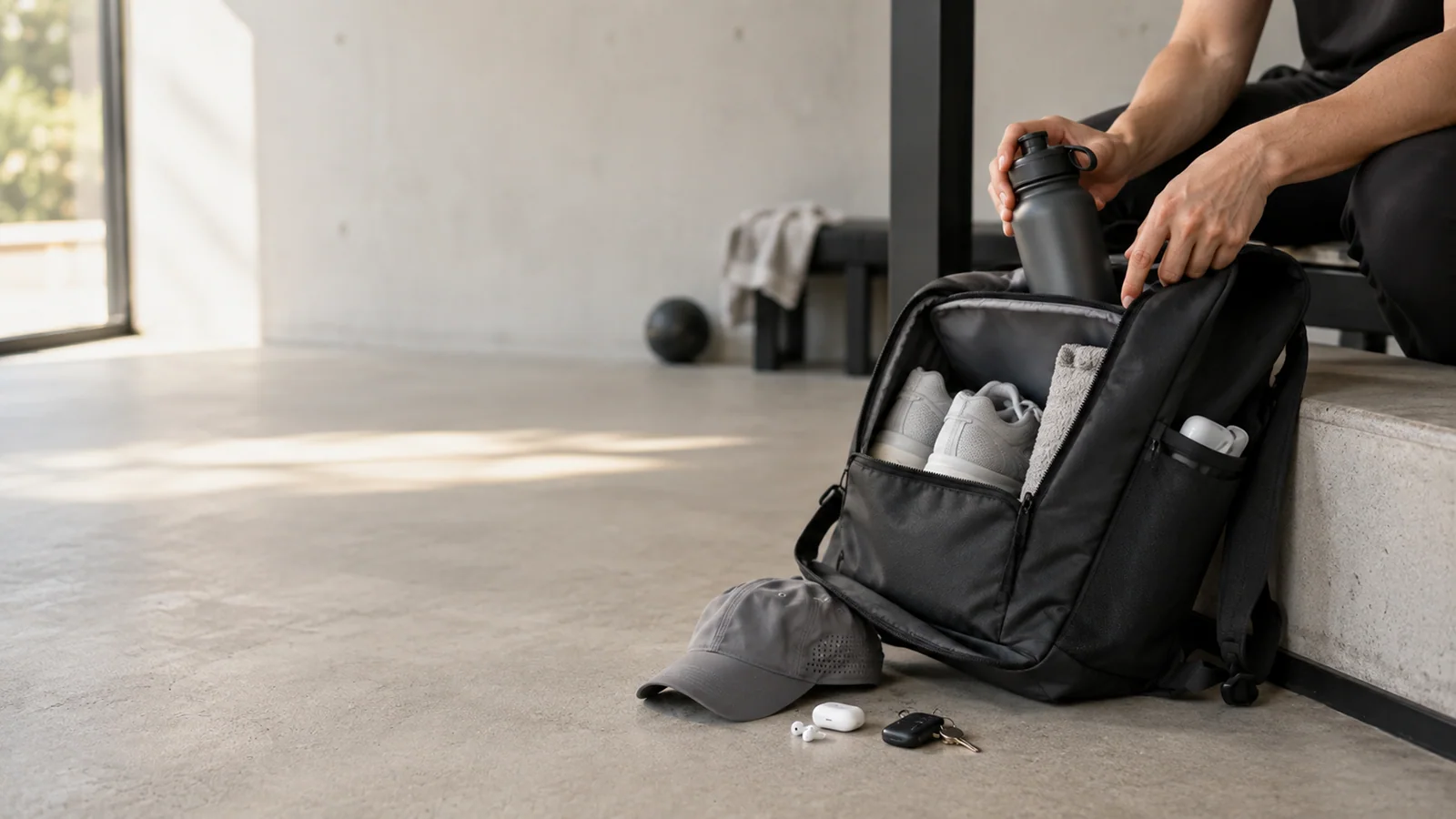
Before comparing bags
Write down the defining item, the smaller essentials, and anything that should not share the main compartment. Then mark what needs to be reached during the session.
That list makes it easier to compare opening shape, storage zones, strap setup, and overall size without relying on capacity alone.
Selection guide
Work through the load, separation, access, and carry checks together. More volume or more pockets only help when they solve a specific need.
Write down the actual load before looking at bag volume: rackets, shoes, towels, mats, blocks, water, and daily items.
Rackets, rolled mats, shoes, and mixed gym loads need different openings and proportions.
Decide what must stay away from clean clothing, electronics, or the main equipment area.
Give the main load enough room, then assign only the pockets that have a clear job.
Check strap adjustment, bag height, back contact, and where the heaviest items sit.
Identify what needs to come out without emptying the main compartment: a bottle, towel, racket, keys, or small accessory.
Check whether the bag still works before training, during the session, and on the way home.
Activity guide
A court session, studio day, run, and mixed commute place different items at the center of the load.
Separate footwear and post-workout items
Check whether shoes, damp clothing, towels, and daily essentials have clear places without making the main opening hard to use.
Keep hydration and small items within reach
A vest format can suit a limited load when close access matters more than large storage.
Give the racket and shoes clear places
Check racket access, footwear separation, bottle placement, and where towels or small items will sit courtside.
Plan for the changing area and the court
The bag may need different access points before play, beside the court, and when packing up again.
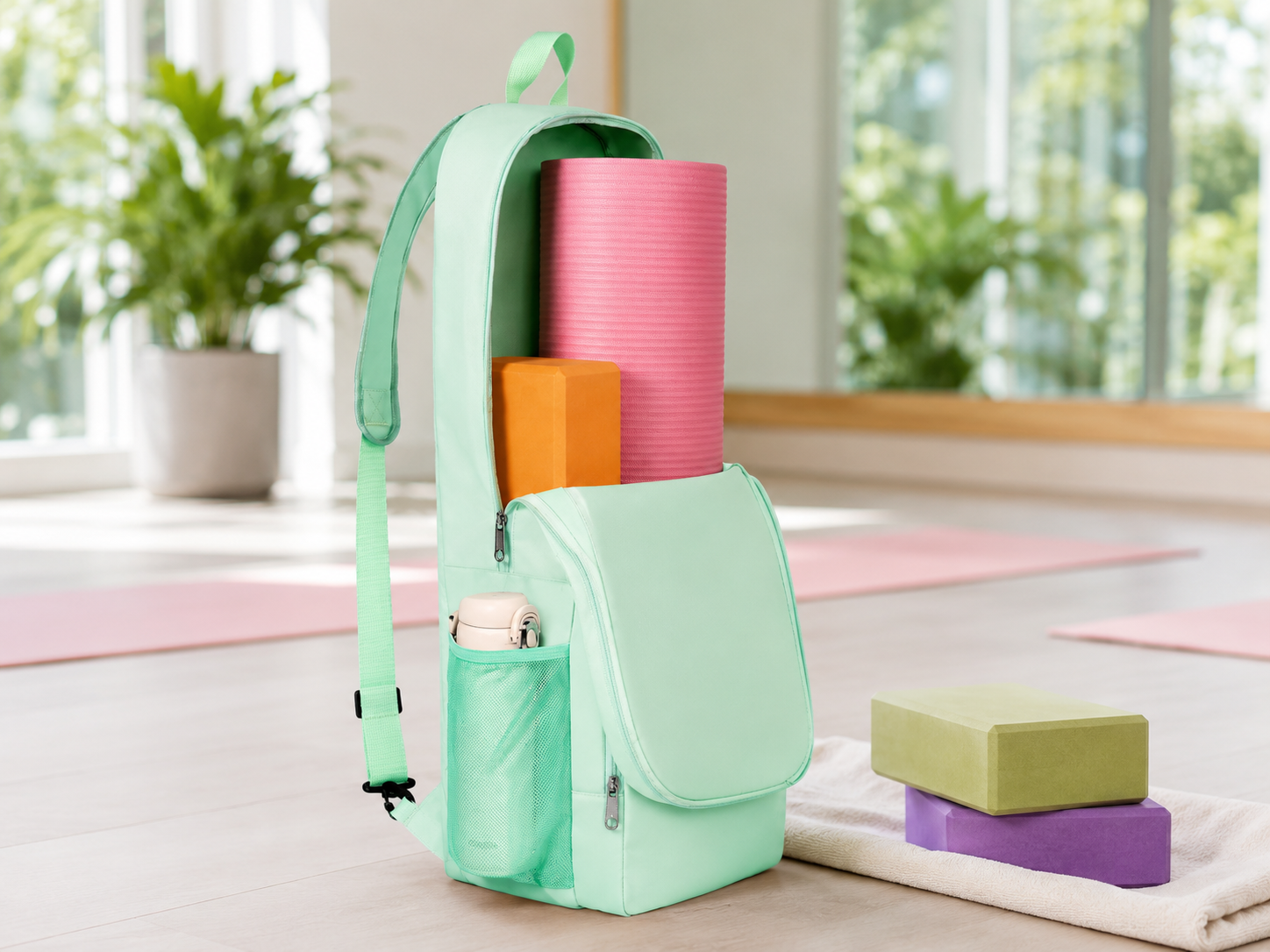
Keep the mat and blocks from shifting
Check how the mat is secured, where blocks sit, and whether towels or daily items remain easy to reach.
One load across the day
List the work, commute, or errand items that must share space with the sports load.
Before choosing
The answers reveal the useful opening, storage zones, quick-access points, and carry method before appearance enters the comparison.
What is the main gear shape that defines the routine: racket, shoes, mat, or a mixed setup?
Should shoes, towels, blocks, or smaller accessories stay separate from the main compartment?
Will the bag also carry daily items outside the session itself?
Does the layout stay practical when the primary gear is actually packed?
Is quick access needed for bottles, towels, small accessories, or other routine essentials?
Does the carry format fit the full movement pattern before, during, and after the session?
From the Sports Backpacks Blog
The Sports Backpacks Blog covers court packing, load position, shoe separation, and other decisions that benefit from a closer look.
Explore the Sports Backpacks BlogSports Backpacks Blog
Sports Backpacks Blog
Selected sports carry gear
Each linked page shows the current structure and intended use. Colors, materials, supply options, pricing, and fulfillment are confirmed through written contact.
Selected sports carry gear
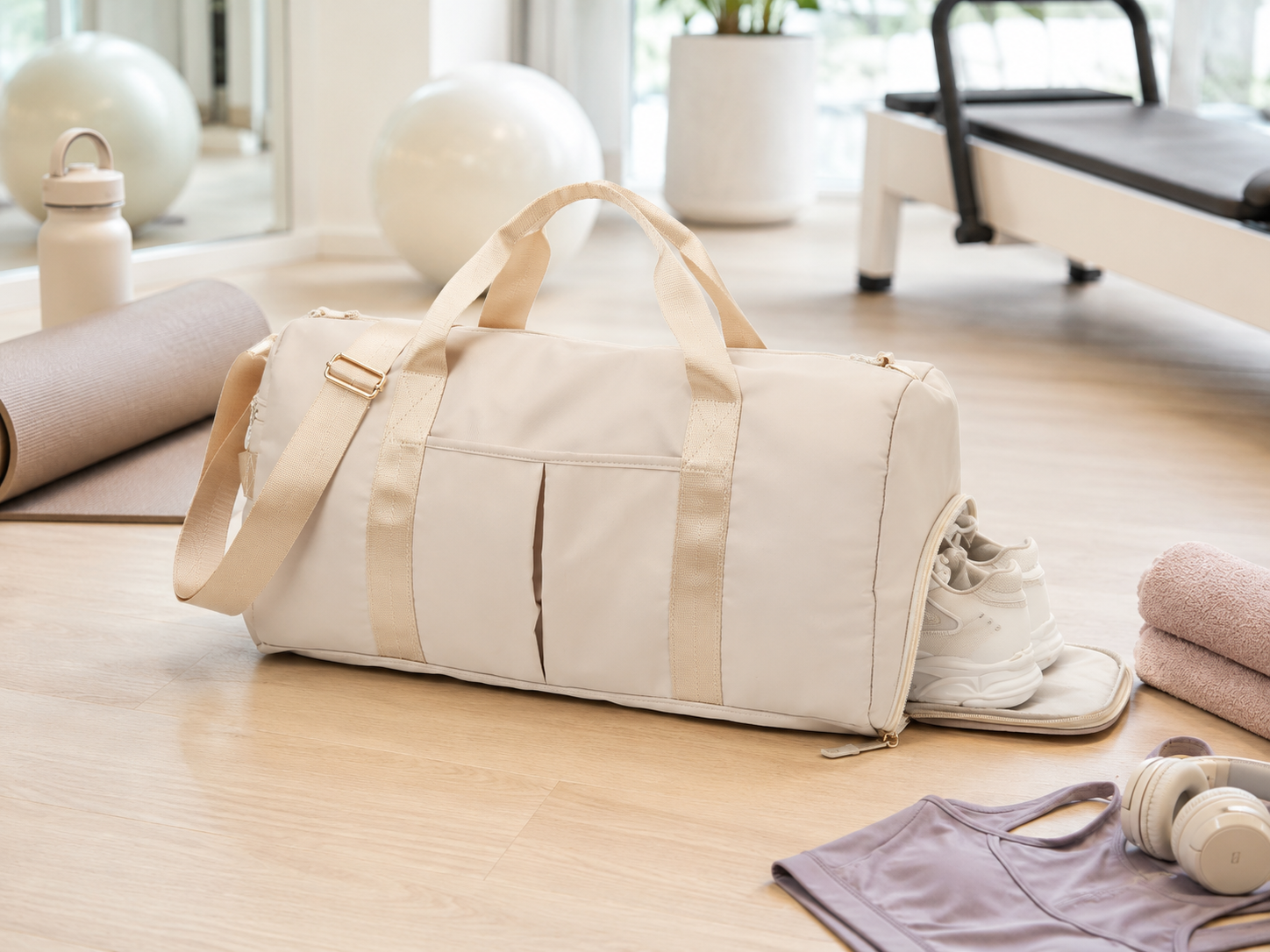
SCBP001
A studio duffel page centered on a 20–35L format, separate shoe storage, wet-dry organization, and gym-to-weekend packing.
Selected sports carry gear
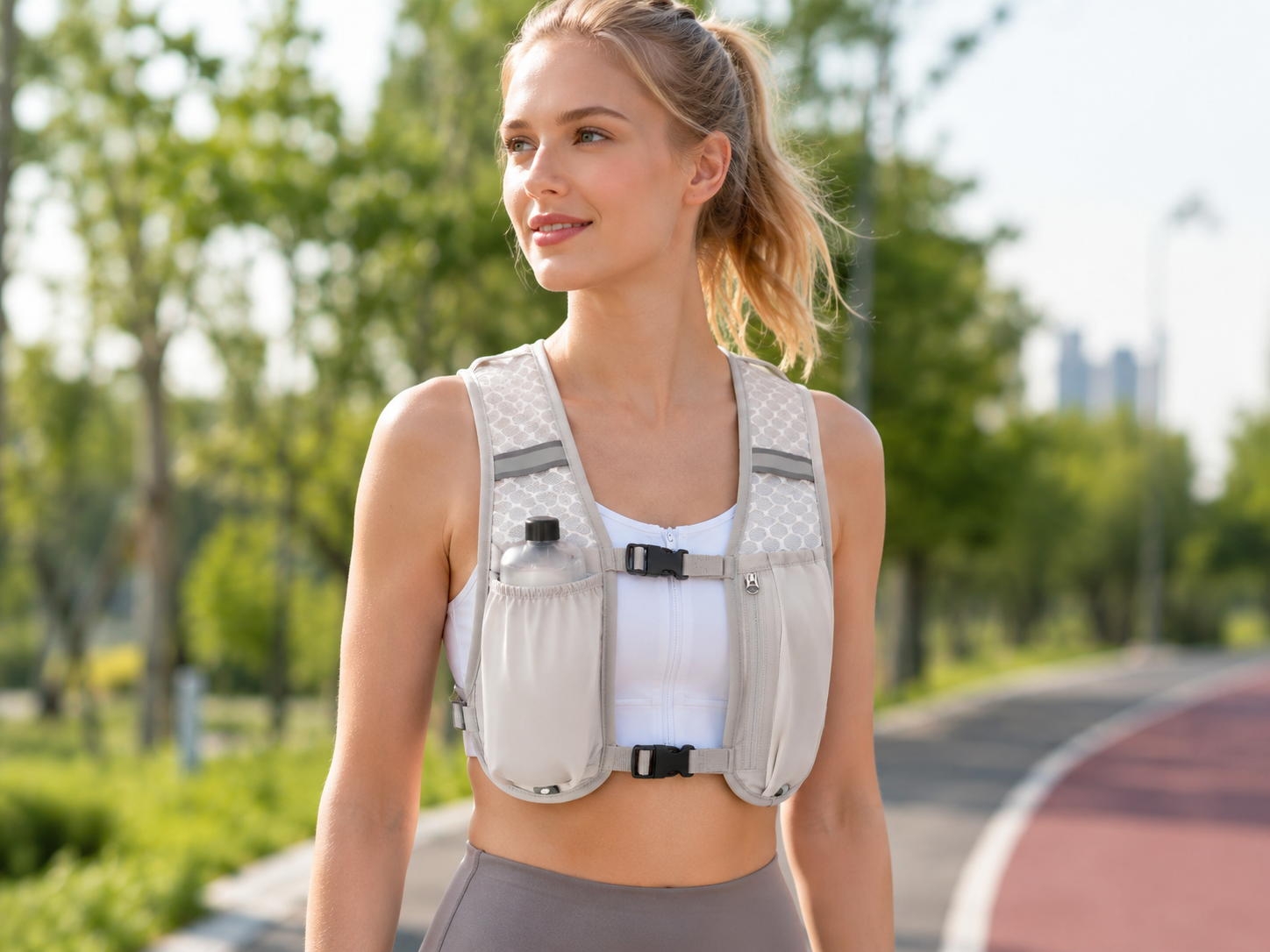
HDBP001
A running-vest page centered on front flask pockets, quick-access storage, and a lightweight road-to-trail format.
Selected sports carry gear
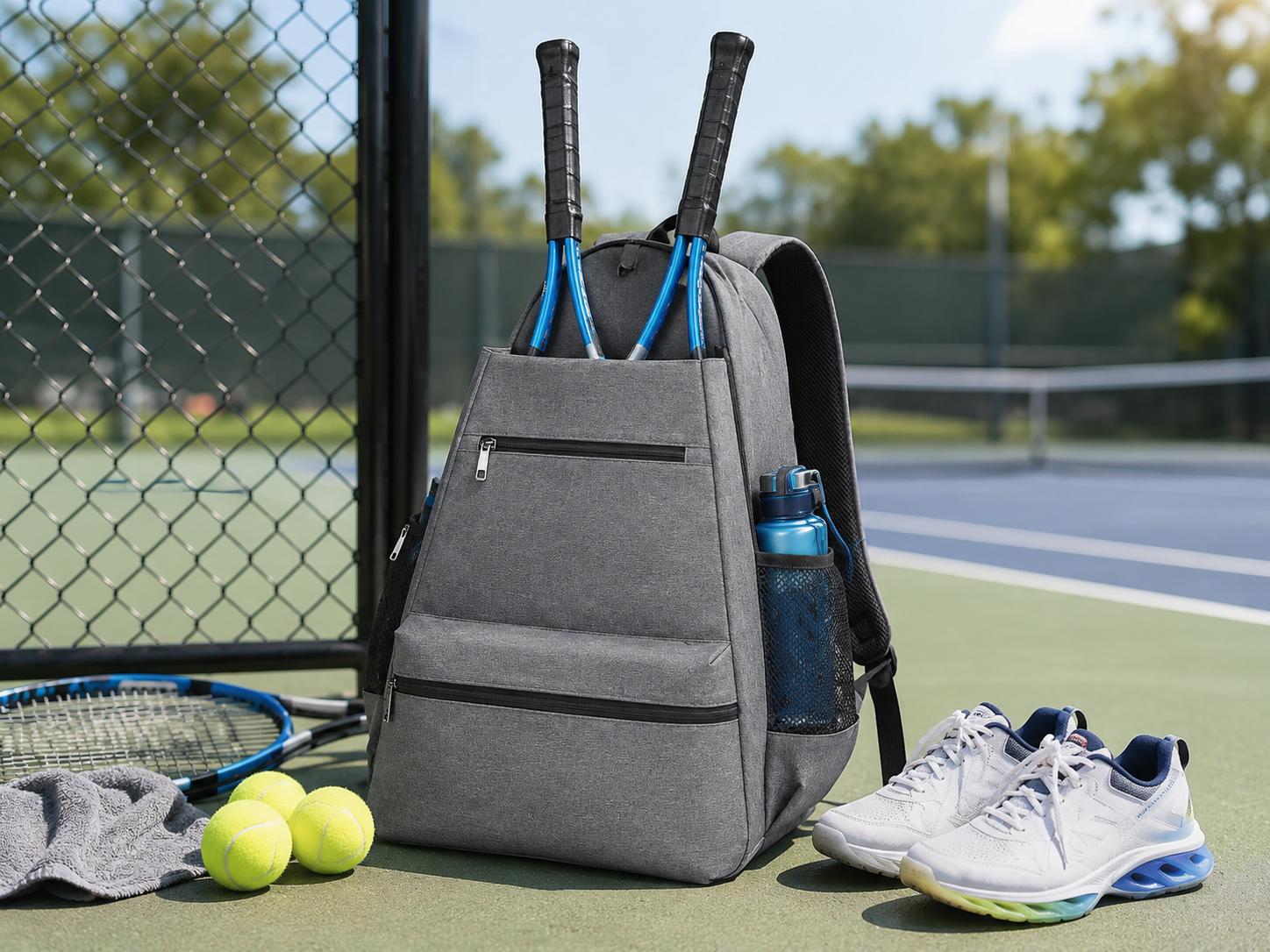
RSBP007
A large racket-backpack page centered on racket carry, a separate shoe compartment, court storage, and a fence-hook feature.
Selected sports carry gear
YGBP0010
A convertible yoga-carry page centered on mat storage, block storage, studio-day organization, and backpack-to-sling use.
Selected sports carry gear
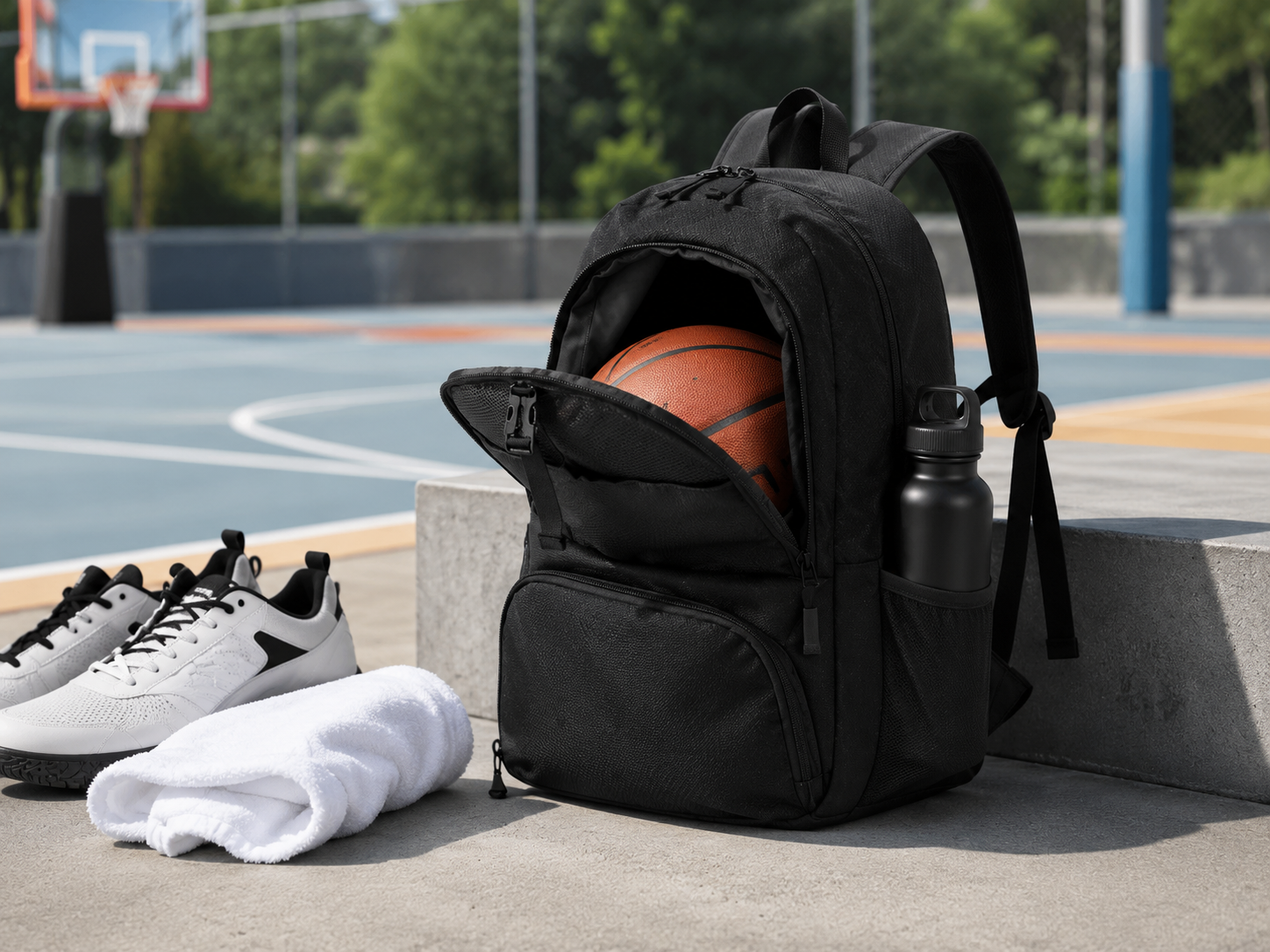
BSBP004
A 25L sports-backpack page centered on ball carry, a separate shoe compartment, and team-sports organization.