Capacity
Choose enough volume for the time between refills, then check the weight and space it adds.
Start with session length and refill access instead of treating a larger bottle as automatically better.
Sports Hydration
The right bottle depends on the routine: how you drink, where you carry it, when you can refill, and how you will clean it. There is no single format that is best for every person or activity.
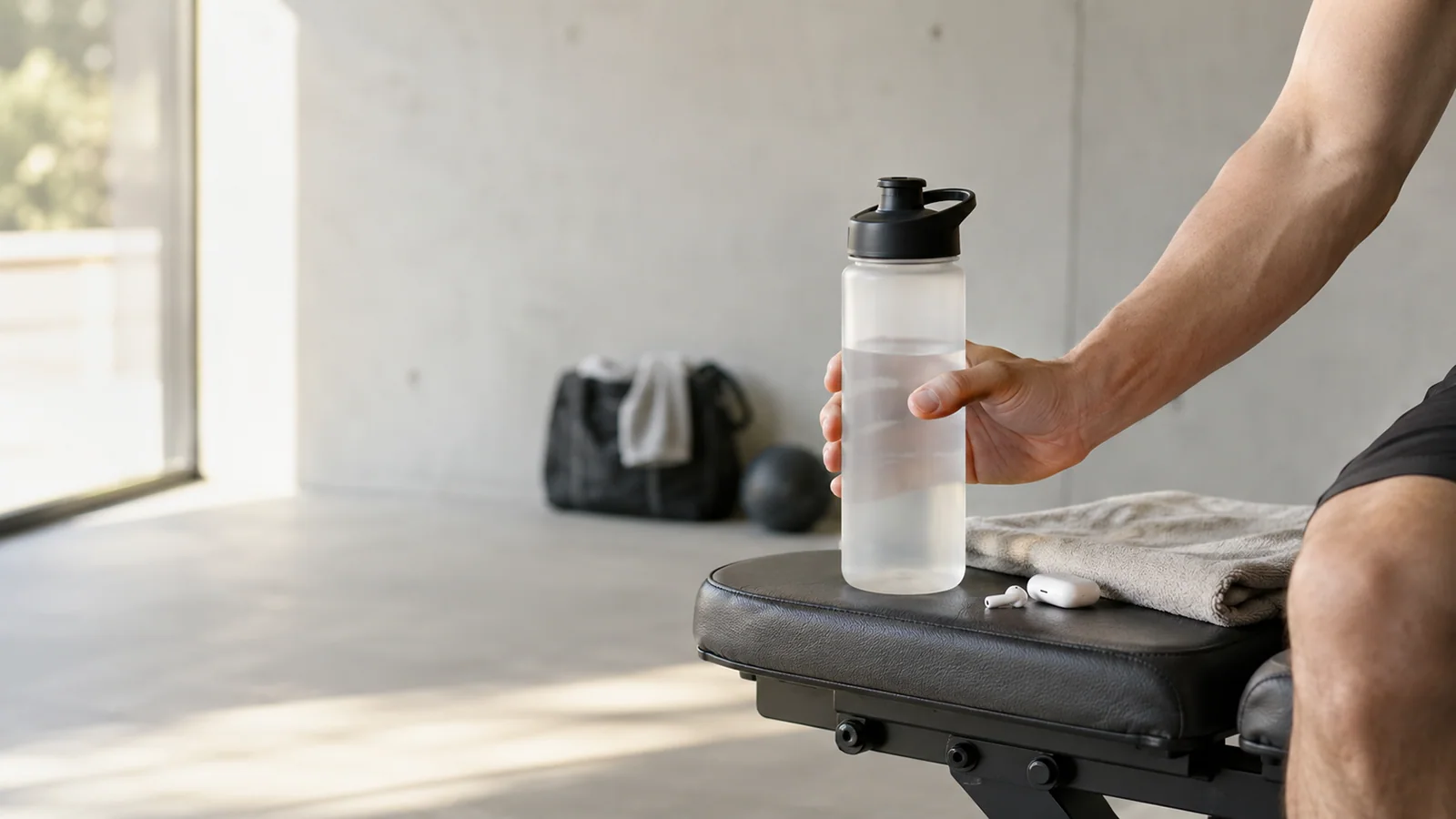
Before comparing bottles
Note the time between refills, where the bottle will be stored, and whether it needs to open during movement or only during a break.
Those steps narrow the useful size, opening style, carry method, and cleaning setup before a specific bottle format enters the decision. Read how to choose the right water bottle, or review the documented details for the 750ml mist spray sports water bottle.
Choose by routine
Work through the checks in the order that matches the day. One change can affect size, weight, cleaning, or pocket fit.
Choose enough volume for the time between refills, then check the weight and space it adds.
Decide whether drink temperature matters enough to justify the extra weight and bulk of an insulated format.
Picture the moment you will drink: between sets, while walking, at a desk, or beside a bike.
If the bottle will share a bag with clothing or electronics, closure security becomes a key check.
Material changes weight, feel, cleaning, and temperature behavior.
Look for parts you can reach, remove, rinse, and dry without a complicated process.
Measure the pocket opening and depth, then compare them with the bottle's diameter, height, and lid shape.
Activity guide
A run, ride, gym session, and trail day place the bottle in different locations and create different refill opportunities.
Carry only what the distance requires
Check whether the bottle can be held or worn comfortably and whether refills are available along the route.
Check the cage before the ride
Confirm bottle diameter and removal clearance, then consider grip and drinking access.
Make between-set access simple
Choose a size and opening that fit the session, the place where the bottle will sit, and the cleaning you can keep up with.
Plan volume and refills together
Longer routes require a clear water plan, a secure closure, and a carry method that fits the rest of the load.
Before choosing
The answers reveal the useful volume, opening, carry method, and cleaning effort before appearance enters the comparison.
How long will the activity usually last?
Will reliable refill points be available?
Does the bottle need to keep drinks cold or warm?
Will it be carried by hand, in a cage, or inside a backpack?
Can the lid, seal, and interior be cleaned easily?
Is low weight more important than maximum capacity?
From the Water Bottles Blog
The Water Bottles Blog covers lid access, closure habits, cleaning, bag carry, and other decisions that are easier to examine in detail.
Explore the Water Bottles BlogCore selection guide
Opening and access
Selected hydration gear
Each linked page shows the current structure and intended use. Colors, materials, supply options, pricing, and fulfillment are confirmed through written contact.

Selected hydration gear
YDSB005
A reusable active-use bottle combining a 750ml capacity, manual mist spray, direct drinking, a removable straw, and an integrated carry loop.

Selected hydration gear
ETSB005
A 760ml two-compartment bottle with separate top access points and a crossbody carry strap for outings and everyday movement.

Selected hydration gear
BWSB003
A bottle page centered on a gravity-ball straw, flip-top access, and a slim mat-side format.

Selected hydration gear
QXSB001
A bike-bottle page centered on a squeeze body, nozzle and dust cap, cage-oriented fit, and a four-layer insulated construction.